
6 Ways Technology Can Improve Transparency in Church Accounting
Many churches struggle with financial fraud and mistrust. Find out how technology tools can help to safeguard the integrity of your Church.


Church accounting software helps track expenses and ensures all transactions are properly documented.
If you're wondering what to look for before choosing one, check out our complete guide on church accounting software
For example, a church using software like Tabernacle can manage its income and expenses in one centralized location.
Every expenditure is recorded systematically according to various fund categories and sub-categories.
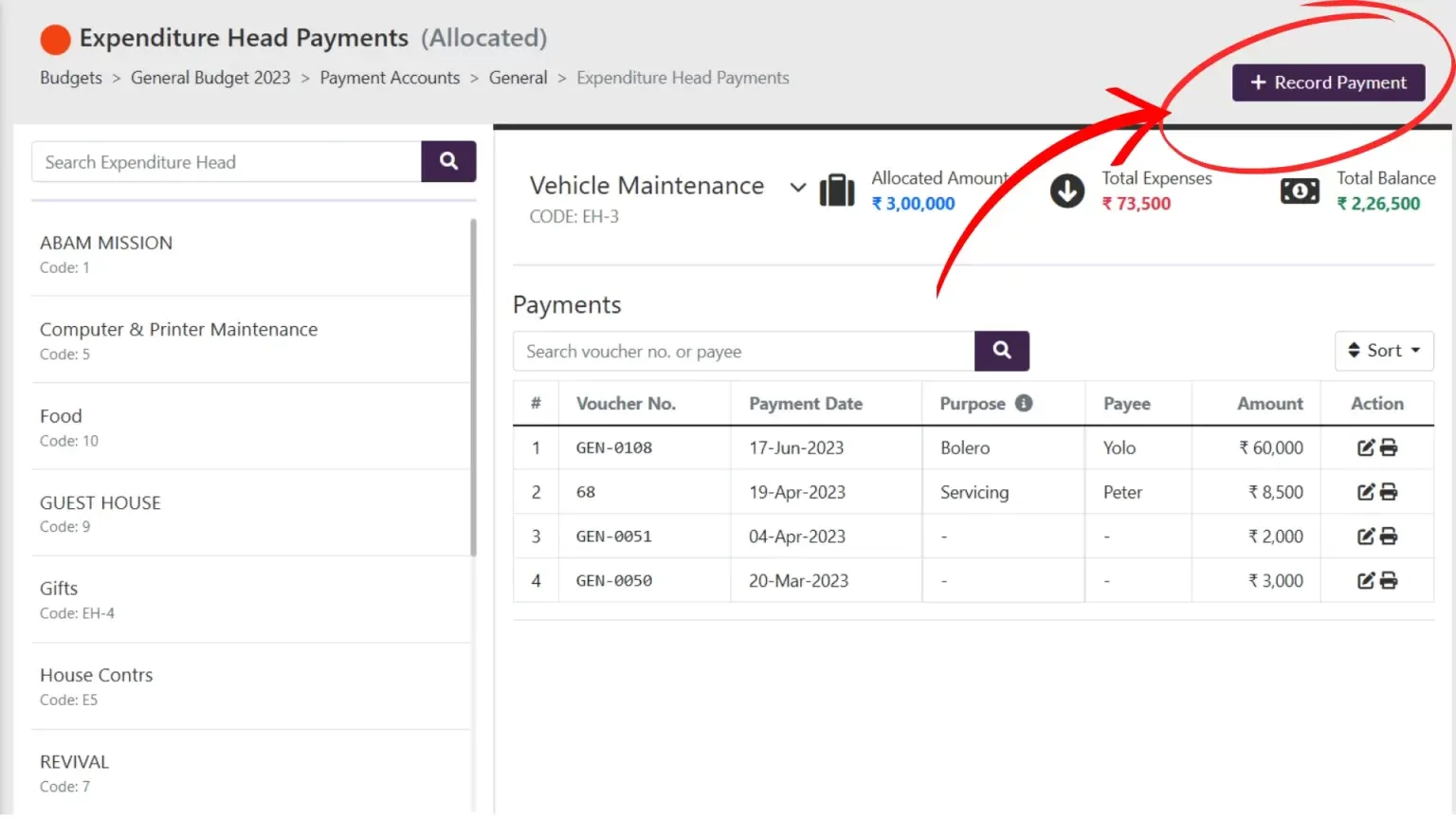
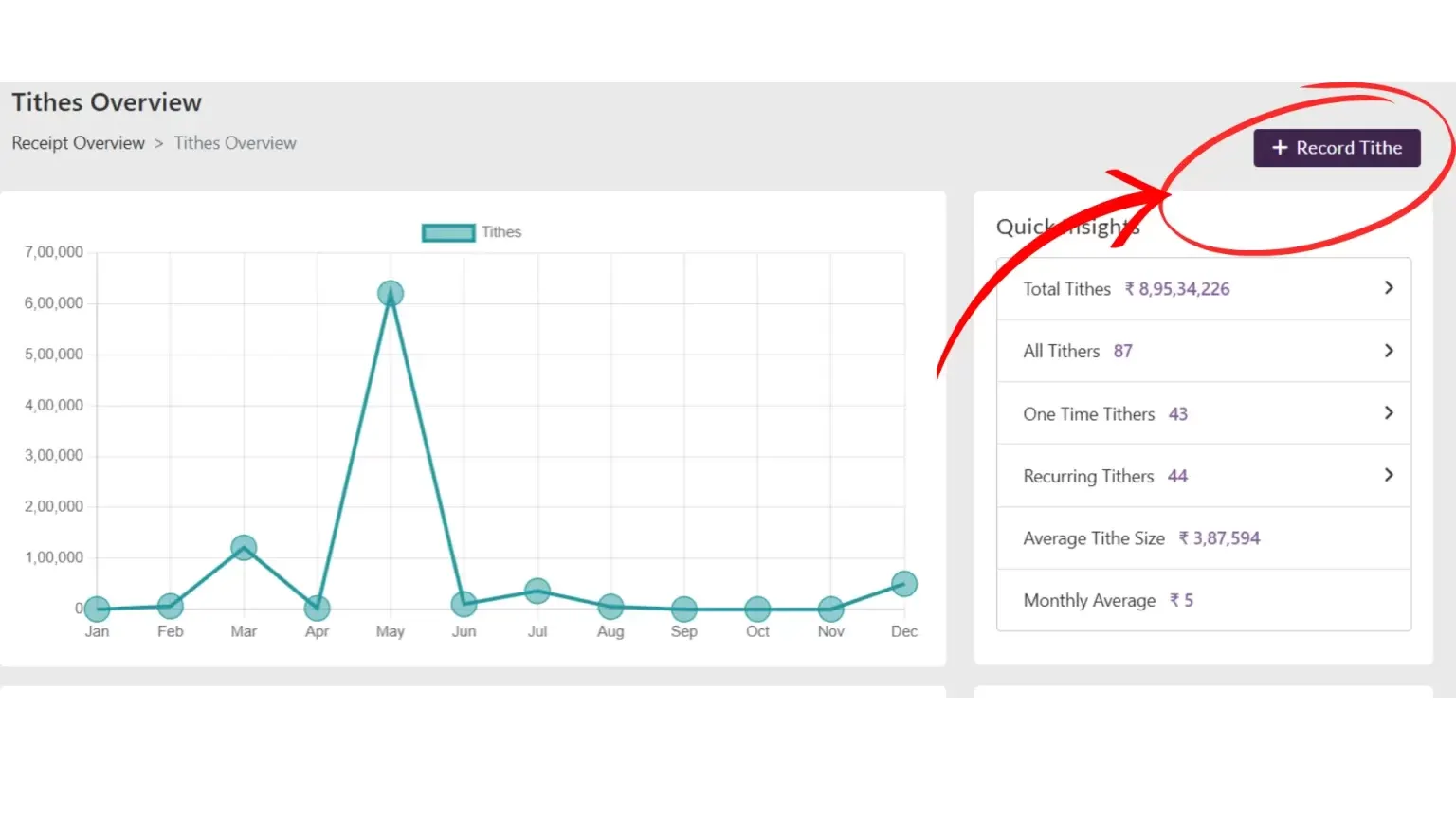
Similarly, tithes and other donations can be recorded through the software. Dynamic dashboard provides easy access to monthly income summary.
Members of the church leadership can access real-time financial data at any time. This feature ensures that everyone is on the same page and can review financial activities as they occur.
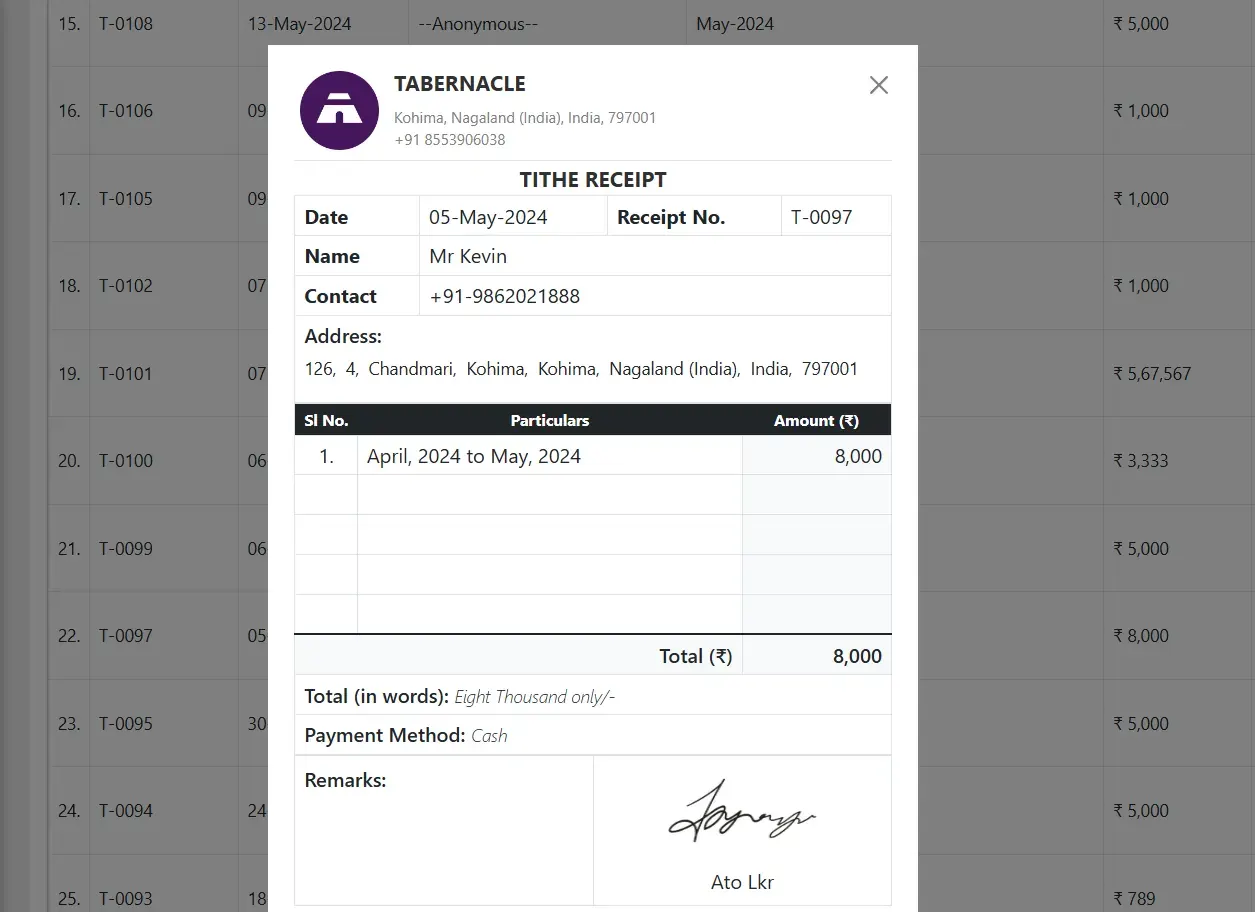
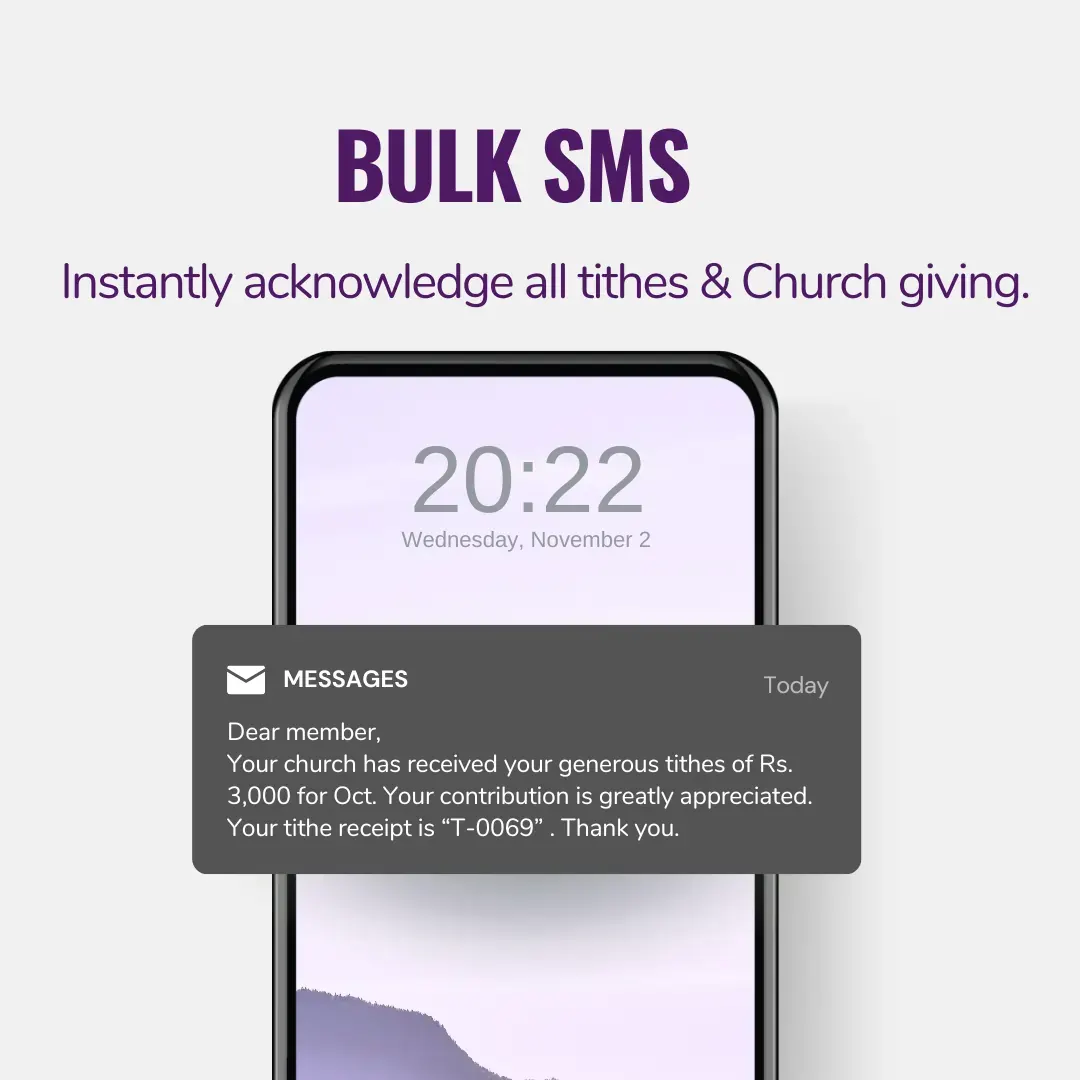
For churches with multiple donors, sending bulk SMS acknowledgments is more efficient. With just a few clicks, you can send a personalized message to all your donors at once.
Technology also aids in automated financial reporting. Instead of manually compiling reports, Tabernacle church accounting software can generate detailed financial reports at the click of a button. This not only saves time but also reduces the risk of errors. Regular reports can be shared with the congregation, giving them a clear picture of how their donations are being used.
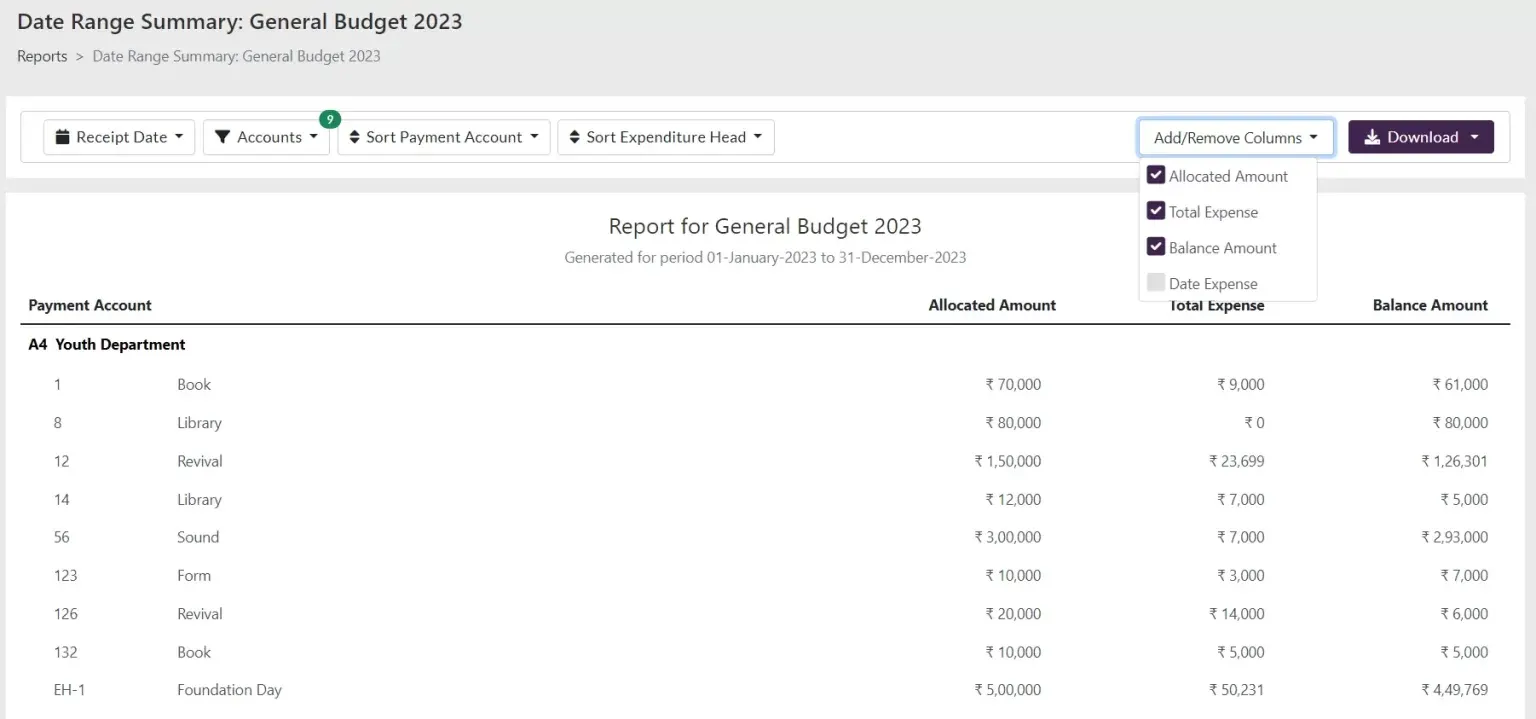
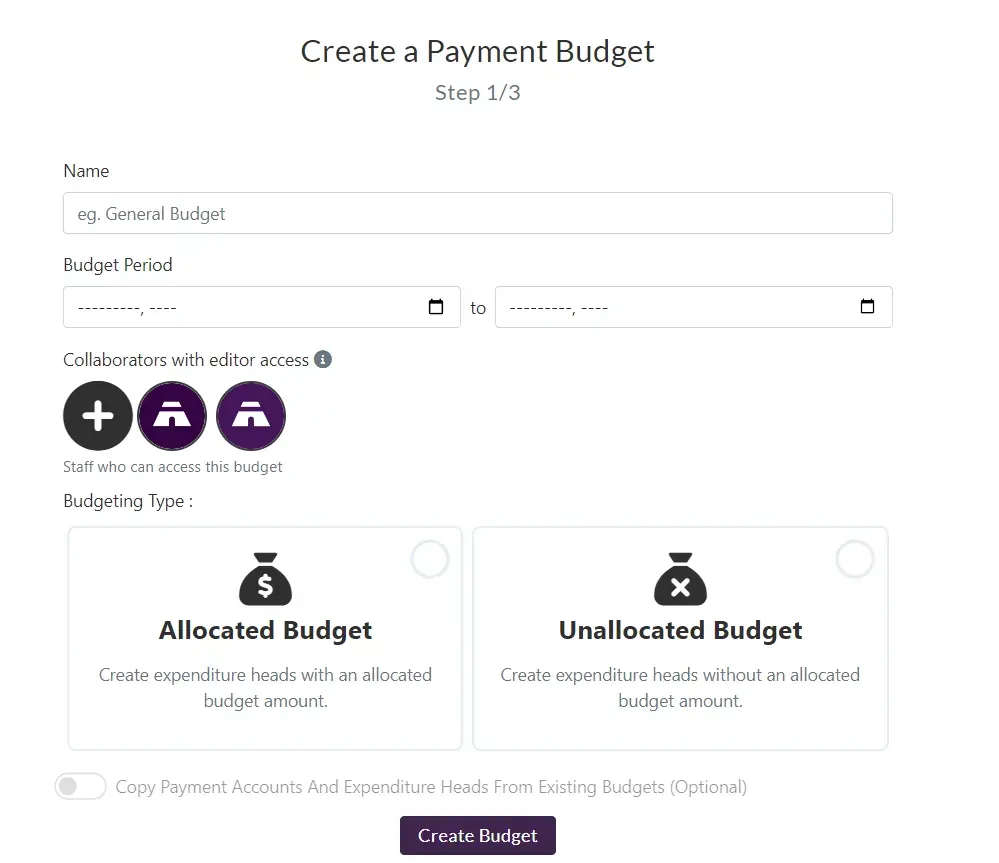
Advanced church accounting software often includes budgeting and financial planning tools. These tools allow churches to set financial goals, set budgets as per department or ministry, monitor progress, and adjust plans as needed. A clear and transparent budgeting process demonstrates financial responsibility to donors, further building trust.
Launch your church into the future
Everything your ministry needs — giving, events, members, and more. Try it free, no credit card required.
Start Free Trial No credit card • Cancel anytime
Church Treasurer Handover: Why Every New Treasurer Starts From Scratch
Most church treasurer handovers fail because records live in one person's head. Here's what actually needs to change ha…

How to Keep Church Giving Records Accurate
Most giving record errors don't happen because of bad software. They happen in the counting room. Here's where accuracy…

What Changes When Your Church Switches to Church Software
Thinking about moving off spreadsheets and notebooks? Here's exactly what changes in the office, the finance team, and …
